Exploring Conflicts in History Through Architecture in Movies: A Review
Category : | Sub Category : Posted on 2024-10-05 22:25:23
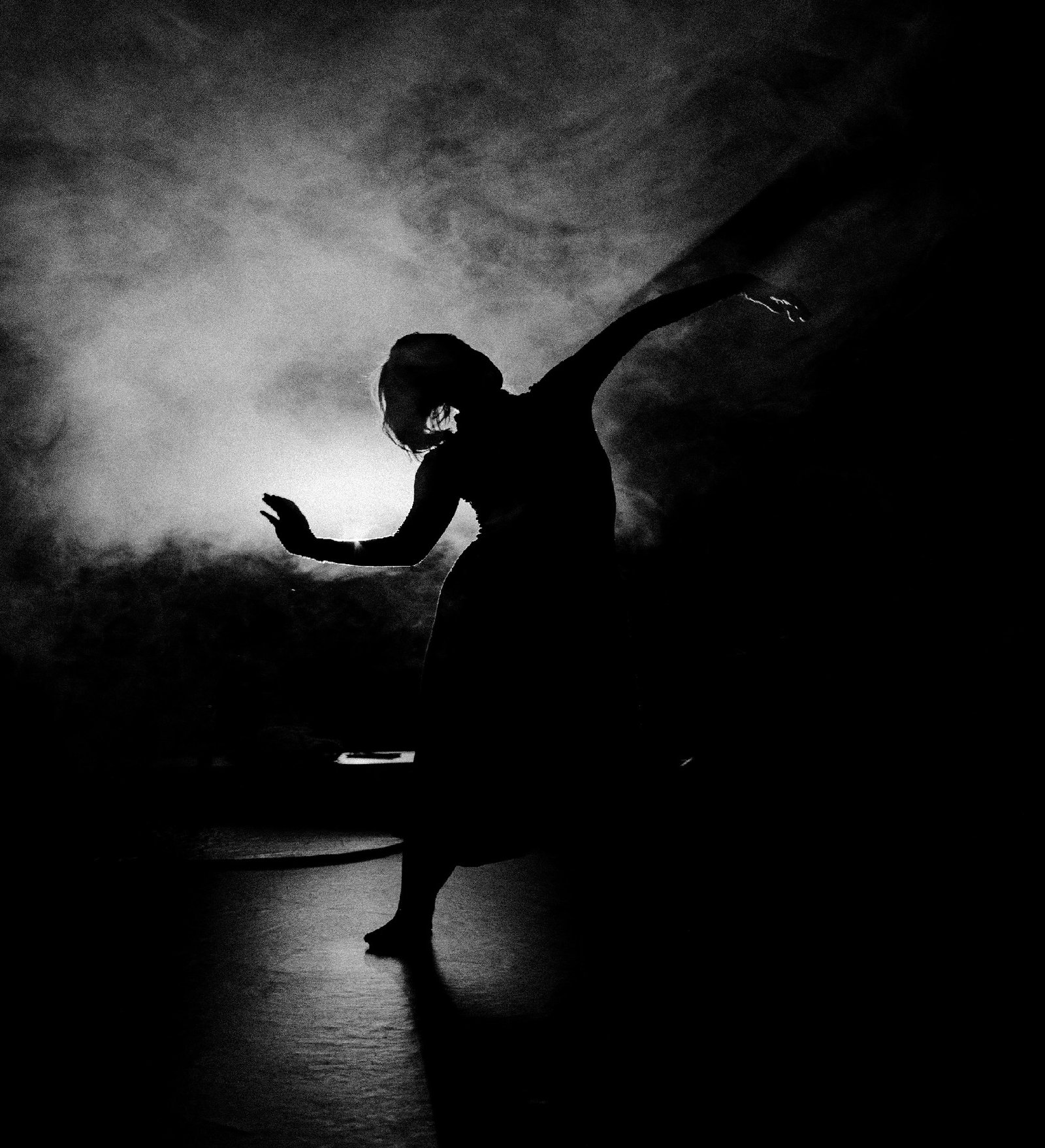
**Introduction:** movies have the power to transport us to different times and places, allowing us to witness historical conflicts through the lens of architecture. This unique blend of visual storytelling can offer a deeper understanding of the events that shaped our world. In this blog post, we will explore how filmmakers use architecture to depict conflicts in history and the impact it has on the overall viewing experience. **Depicting Historical Conflicts:** One of the most compelling aspects of using architecture in movies to depict historical conflicts is the ability to visually represent the tension and turmoil of the time period. For example, in films set during World War II, we often see the contrast between elegant pre-war buildings and the destruction caused by bombings. This juxtaposition serves as a powerful reminder of the human cost of war and the resilience of the human spirit. **Symbolism in Architecture:** Architecture is rich in symbolism, and filmmakers often use this to their advantage when portraying historical conflicts. For instance, a crumbling castle can symbolize the fall of an empire, while a grand cathedral may represent the power and influence of a religious institution. By incorporating these symbols into their films, directors can deepen the audience's understanding of the historical context and the stakes involved in the conflict. **Creating Atmosphere and Mood:** Architecture plays a crucial role in setting the atmosphere and mood of a film, especially when depicting historical conflicts. The stark, imposing structures of a concentration camp can evoke a sense of dread and despair, while the intricate details of a medieval village can transport us back in time to a period of upheaval and uncertainty. By paying attention to architectural details, filmmakers can enhance the emotional impact of the story they are telling. **Impact on the Viewer:** When done well, the use of architecture in movies to explore conflicts in history can have a profound impact on the viewer. By immersing us in the physical spaces where these events took place, filmmakers can evoke empathy, provoke thought, and inspire a deeper appreciation for the complexities of the past. Through the language of architecture, we can gain new insights into the human experience and the legacies of historical conflicts that continue to shape our world today. **Conclusion:** In conclusion, the use of architecture in movies to explore conflicts in history is a powerful storytelling device that can enrich our understanding of the past. By paying attention to architectural details, symbolism, and atmosphere, filmmakers can create immersive experiences that resonate with audiences long after the credits roll. As we continue to engage with these stories, let us remember the lessons they teach us about resilience, empathy, and the enduring power of human creativity in the face of adversity. Seeking in-depth analysis? The following is a must-read. https://www.zkouknito.com Expand your knowledge by perusing https://www.filmancc.com Expand your knowledge by perusing https://www.prmovies.org
Leave a Comment:
SEARCH
Recent News
- Zurich, Switzerland is a vibrant city known for its rich cultural scene and diverse music offerings. One unique aspect of Zurich's music scene is the presence of Sudanese music, which has found a home in the city's melting pot of cultures.
- Visiting Zurich, Switzerland, can be an enriching experience for music lovers from all corners of the world. While the city may not be the first place that comes to mind when thinking about South African music, Zurich's diverse music scene offers a glimpse into the vibrant sounds of this African nation.
- Zurich, Switzerland is a vibrant city known for its stunning architecture, picturesque landscapes, and rich culture. One aspect of Zurich's cultural scene that often goes under the radar is its regional music. The city and its surrounding areas are home to a diverse range of musical styles, reflecting the multiculturalism and artistic diversity of the region.
- Top 5 Zurich Regional Movies You Must Watch
- Zurich, Switzerland, is a vibrant city known for its stunning architecture, picturesque landscapes, and thriving cultural scene. In recent years, the city has also become a hub for film production, attracting filmmakers from around the world. Interestingly, a connection has emerged between Zurich and Paraguay through the medium of film.
- Zurich, Switzerland: Discovering the Vibrant Norwegian Music Scene
- Zurich - A Hub for Hungarian Films
- Zurich, Switzerland: A Hub for Estonian Music
READ MORE
10 months ago Category :

Zurich, Switzerland is a vibrant city known for its rich cultural scene and diverse music offerings. One unique aspect of Zurich's music scene is the presence of Sudanese music, which has found a home in the city's melting pot of cultures.
Read More →10 months ago Category :

Visiting Zurich, Switzerland, can be an enriching experience for music lovers from all corners of the world. While the city may not be the first place that comes to mind when thinking about South African music, Zurich's diverse music scene offers a glimpse into the vibrant sounds of this African nation.
Read More →10 months ago Category :

Zurich, Switzerland is a vibrant city known for its stunning architecture, picturesque landscapes, and rich culture. One aspect of Zurich's cultural scene that often goes under the radar is its regional music. The city and its surrounding areas are home to a diverse range of musical styles, reflecting the multiculturalism and artistic diversity of the region.
Read More →10 months ago Category :
