Exploring the Vibrant World of Movies and Chinese Language Dyeing Pigments
Category : | Sub Category : Posted on 2024-10-05 22:25:23
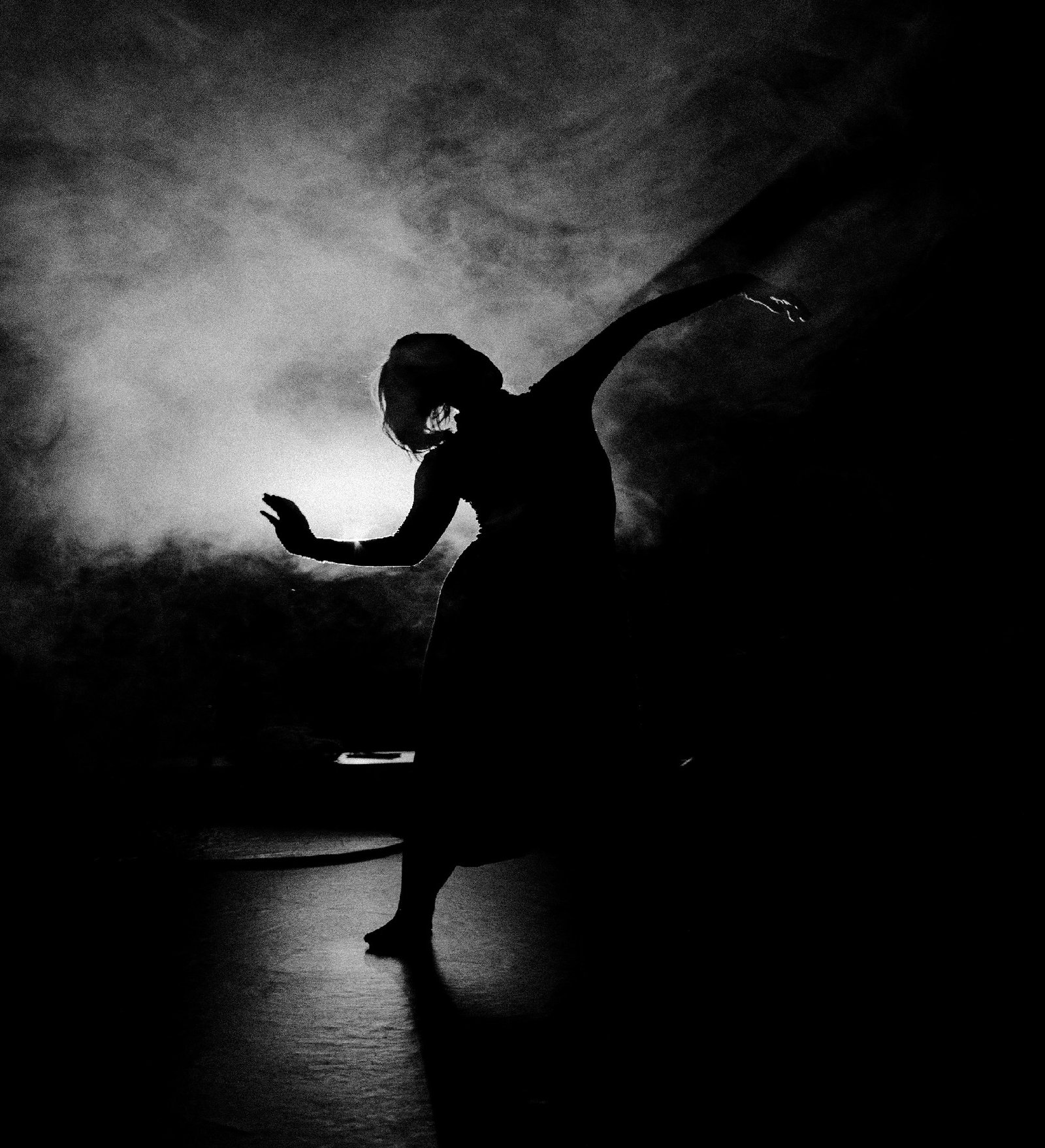
In the realms of cinema and art, color plays a significant role in conveying emotions, setting the mood, and creating a visually captivating experience for the audience. Similarly, in traditional Chinese culture, dyeing pigments have been utilized for centuries to add vibrancy and symbolism to various art forms. Let's delve into the fascinating connection between Movies, Chinese language, and dyeing pigments. Movies are a powerful medium that combines storytelling with visual elements to evoke a range of emotions in viewers. Directors use color palettes strategically to enhance the narrative and create a specific atmosphere. From the warm golden hues of a sunset to the cool blues of a mysterious underwater scene, colors can convey emotions and subliminally influence how we perceive a film. In the realm of Chinese cinema, filmmakers often incorporate cultural elements and symbolism into their color choices. Red, for example, is a prominent color in Chinese culture symbolizing luck, joy, and prosperity. It is often used in films to evoke a sense of celebration or to signify important moments in the story. On the other hand, black and white are frequently used to create a stark contrast and evoke a sense of nostalgia or melancholy. Just as colors play a vital role in movies, dyeing pigments have a rich history in Chinese art and culture. Traditional Chinese dyeing techniques involve using natural materials such as plants, minerals, and insects to create vivid and long-lasting colors. These pigments are used in various art forms, including calligraphy, painting, and textile design, adding depth and beauty to the artwork. The process of dyeing with natural pigments is a meticulous art form that requires skill and precision. Chinese artisans have mastered the techniques of dyeing fabrics and materials to create stunning visual effects. Each dyeing pigment carries its own symbolism and meaning, reflecting the rich cultural heritage of China. Combining the worlds of movies and Chinese dyeing pigments offers a unique opportunity to explore the intersection of art, culture, and storytelling. By understanding the significance of color in film and the intricate art of dyeing pigments in Chinese culture, we gain a deeper appreciation for the visual language that enriches our lives. In conclusion, the vibrant world of movies and Chinese language dyeing pigments offers a feast for the senses and a deeper understanding of the power of color in art and storytelling. By appreciating the artistry and symbolism behind each hue, we can enrich our cinematic experiences and connect with the cultural heritage of China in a meaningful way. For a deeper dive, visit: https://www.prmovies.org
Leave a Comment:
SEARCH
Recent News
- Zurich, Switzerland is a vibrant city known for its rich cultural scene and diverse music offerings. One unique aspect of Zurich's music scene is the presence of Sudanese music, which has found a home in the city's melting pot of cultures.
- Visiting Zurich, Switzerland, can be an enriching experience for music lovers from all corners of the world. While the city may not be the first place that comes to mind when thinking about South African music, Zurich's diverse music scene offers a glimpse into the vibrant sounds of this African nation.
- Zurich, Switzerland is a vibrant city known for its stunning architecture, picturesque landscapes, and rich culture. One aspect of Zurich's cultural scene that often goes under the radar is its regional music. The city and its surrounding areas are home to a diverse range of musical styles, reflecting the multiculturalism and artistic diversity of the region.
- Top 5 Zurich Regional Movies You Must Watch
- Zurich, Switzerland, is a vibrant city known for its stunning architecture, picturesque landscapes, and thriving cultural scene. In recent years, the city has also become a hub for film production, attracting filmmakers from around the world. Interestingly, a connection has emerged between Zurich and Paraguay through the medium of film.
- Zurich, Switzerland: Discovering the Vibrant Norwegian Music Scene
- Zurich - A Hub for Hungarian Films
- Zurich, Switzerland: A Hub for Estonian Music
READ MORE
10 months ago Category :

Zurich, Switzerland is a vibrant city known for its rich cultural scene and diverse music offerings. One unique aspect of Zurich's music scene is the presence of Sudanese music, which has found a home in the city's melting pot of cultures.
Read More →10 months ago Category :

Visiting Zurich, Switzerland, can be an enriching experience for music lovers from all corners of the world. While the city may not be the first place that comes to mind when thinking about South African music, Zurich's diverse music scene offers a glimpse into the vibrant sounds of this African nation.
Read More →10 months ago Category :

Zurich, Switzerland is a vibrant city known for its stunning architecture, picturesque landscapes, and rich culture. One aspect of Zurich's cultural scene that often goes under the radar is its regional music. The city and its surrounding areas are home to a diverse range of musical styles, reflecting the multiculturalism and artistic diversity of the region.
Read More →10 months ago Category :
