A Cinematic Journey: Exploring Movie Reviews, Cameras, and Chinese Language
Category : | Sub Category : Posted on 2024-10-05 22:25:23
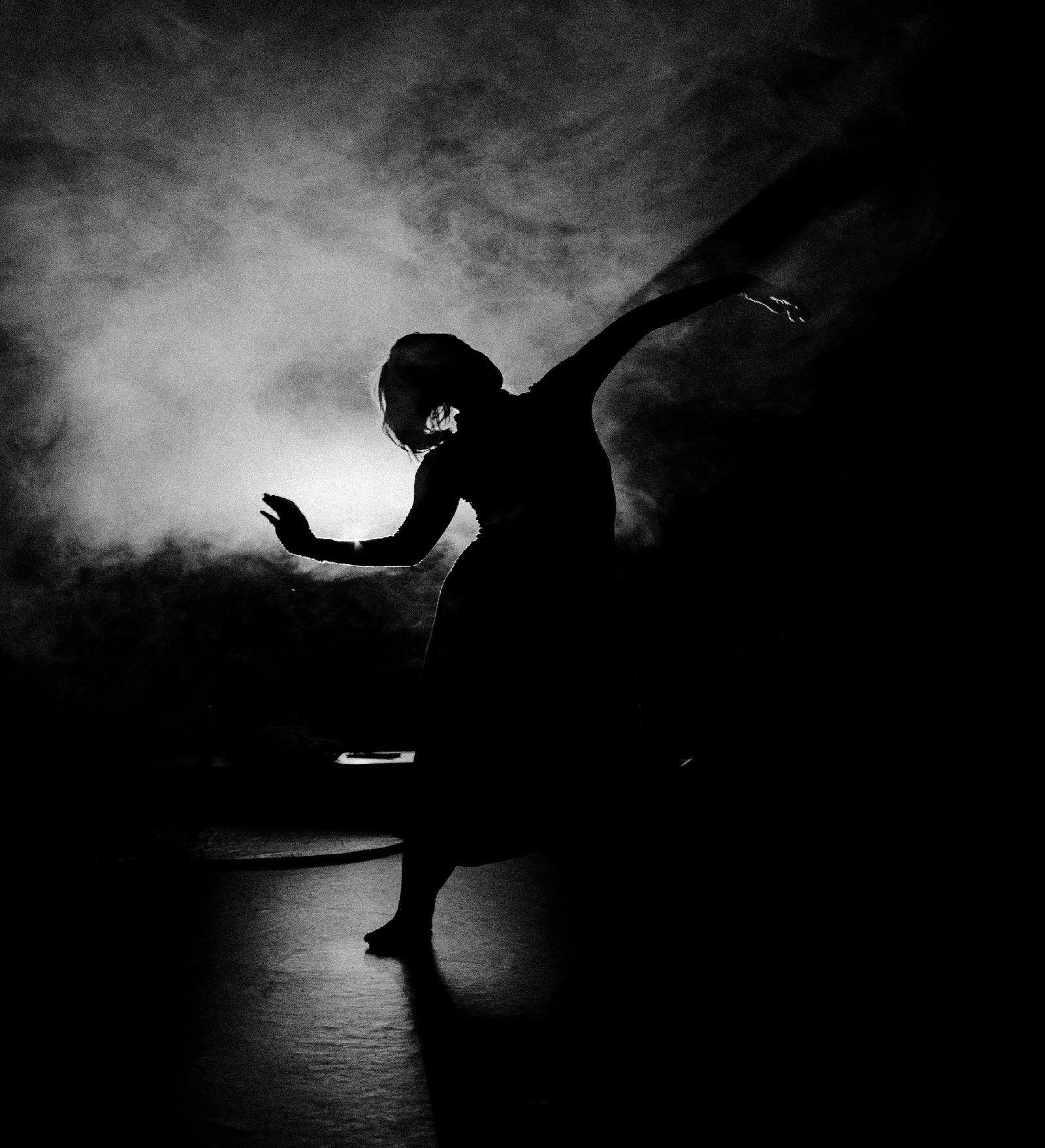
In the realm of cinema, the art of storytelling comes to life through a blend of captivating visuals, compelling narratives, and diverse languages. From thought-provoking reviews that shape our viewing experiences to the innovative cameras that capture every frame with precision, the world of movies offers a rich tapestry of creativity and cultural significance. In this blog post, we delve into the dynamic interplay between Movie reviews, cameras, and the Chinese Language, showcasing how they contribute to the magic of cinema. Movie Reviews: The Gatekeepers of Film Critique Movie reviews serve as the gatekeepers of film critique, offering insights and opinions that influence audience perception and reception. Whether through professional critics or audience reviews, the analysis of a movie can shape its success and reputation. Critics delve into various aspects of a film, from performances and directing to cinematography and storytelling. Their evaluations not only inform viewers but also contribute to the larger discourse surrounding cinema. When exploring movie reviews, a diverse range of perspectives adds depth and nuance to the cinematic landscape. Chinese film critics, in particular, offer unique insights into the cultural context and artistic traditions of Chinese cinema. Their reviews not only highlight the cinematic achievements of Chinese filmmakers but also provide a platform for cross-cultural exchange and appreciation. Cameras: Capturing the Essence of Cinema At the heart of filmmaking lies the camera, a powerful tool that captures the visual essence of storytelling. From traditional film cameras to cutting-edge digital equipment, cameras play a pivotal role in shaping the look and feel of a movie. Cinematographers harness the capabilities of cameras to create cinematic worlds that transport viewers to new realities and emotional depths. When examining cameras in the context of Chinese cinema, a blend of tradition and innovation emerges. Chinese filmmakers have embraced a wide range of camera technologies, blending traditional aesthetics with modern techniques. From sweeping landscapes to intimate close-ups, Chinese cinema showcases a visual richness that reflects the country's diverse landscapes and cultural heritage. Chinese Language: The Voice of Cultural Expression Language serves as a powerful vehicle for cultural expression in cinema, offering a unique lens through which stories are told and emotions conveyed. In the world of Chinese cinema, the Chinese language plays a central role in shaping narratives and characters. From Mandarin to Cantonese and various regional dialects, the diversity of the Chinese language adds depth and authenticity to storytelling. In recent years, Chinese-language cinema has gained global recognition, with filmmakers exploring themes that resonate with audiences worldwide. The rich linguistic tapestry of Chinese cinema reflects the country's vibrant cultural heritage and artistic traditions, offering a window into the complexities of Chinese society and history. In conclusion, the convergence of movie reviews, cameras, and the Chinese language illuminates the multifaceted nature of cinema as a global art form. Through insightful critiques, innovative camerawork, and linguistic diversity, movies transcend cultural boundaries and connect audiences across the world. As we continue to explore the dynamic relationship between cinema and culture, we celebrate the power of movies to inspire, inform, and entertain on a universal scale.
Leave a Comment:
SEARCH
Recent News
- Zurich, Switzerland is a vibrant city known for its rich cultural scene and diverse music offerings. One unique aspect of Zurich's music scene is the presence of Sudanese music, which has found a home in the city's melting pot of cultures.
- Visiting Zurich, Switzerland, can be an enriching experience for music lovers from all corners of the world. While the city may not be the first place that comes to mind when thinking about South African music, Zurich's diverse music scene offers a glimpse into the vibrant sounds of this African nation.
- Zurich, Switzerland is a vibrant city known for its stunning architecture, picturesque landscapes, and rich culture. One aspect of Zurich's cultural scene that often goes under the radar is its regional music. The city and its surrounding areas are home to a diverse range of musical styles, reflecting the multiculturalism and artistic diversity of the region.
- Top 5 Zurich Regional Movies You Must Watch
- Zurich, Switzerland, is a vibrant city known for its stunning architecture, picturesque landscapes, and thriving cultural scene. In recent years, the city has also become a hub for film production, attracting filmmakers from around the world. Interestingly, a connection has emerged between Zurich and Paraguay through the medium of film.
- Zurich, Switzerland: Discovering the Vibrant Norwegian Music Scene
- Zurich - A Hub for Hungarian Films
- Zurich, Switzerland: A Hub for Estonian Music
READ MORE
10 months ago Category :

Zurich, Switzerland is a vibrant city known for its rich cultural scene and diverse music offerings. One unique aspect of Zurich's music scene is the presence of Sudanese music, which has found a home in the city's melting pot of cultures.
Read More →10 months ago Category :

Visiting Zurich, Switzerland, can be an enriching experience for music lovers from all corners of the world. While the city may not be the first place that comes to mind when thinking about South African music, Zurich's diverse music scene offers a glimpse into the vibrant sounds of this African nation.
Read More →10 months ago Category :

Zurich, Switzerland is a vibrant city known for its stunning architecture, picturesque landscapes, and rich culture. One aspect of Zurich's cultural scene that often goes under the radar is its regional music. The city and its surrounding areas are home to a diverse range of musical styles, reflecting the multiculturalism and artistic diversity of the region.
Read More →10 months ago Category :
