The Impact of Cameras on Art and Design in Movie Reviews
Category : | Sub Category : Posted on 2024-10-05 22:25:23
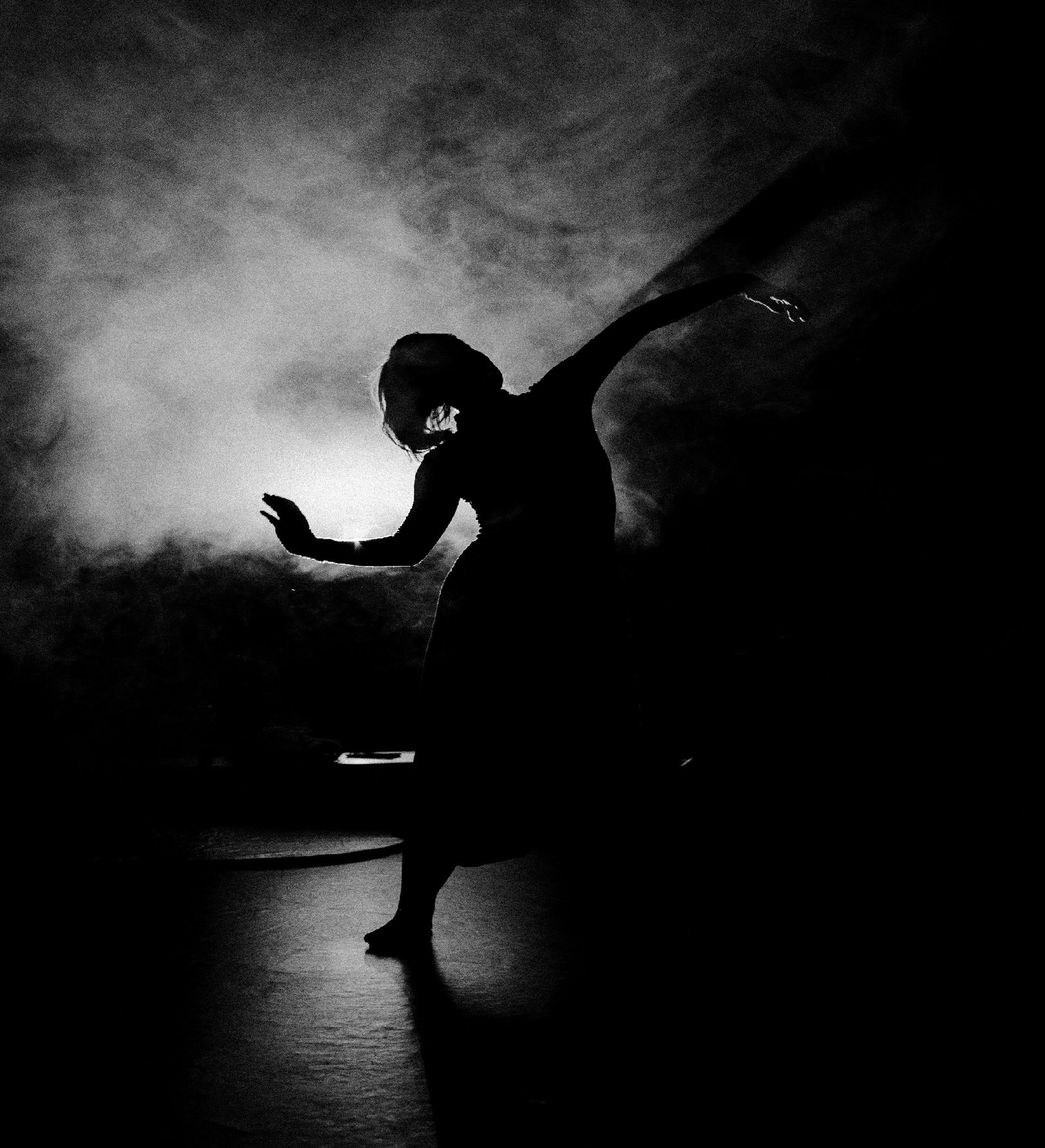
In the world of Movie reviews, cameras play a vital role in capturing the essence of a film and bringing the director's vision to life. The use of cameras in art and design has revolutionized the way we perceive and critique movies, allowing for a more in-depth analysis of visual storytelling and cinematography. One of the key aspects of cameras in movie reviews is their ability to capture the nuances of a film's aesthetic and design. With advancements in technology, filmmakers have more tools at their disposal to create visually stunning scenes that evoke emotion and enhance the overall viewing experience. Critics and reviewers can now analyze the composition, lighting, color grading, and camera movements to provide a more comprehensive assessment of a film's visual elements. Additionally, cameras have the power to shape the narrative of a movie and influence the audience's perception of characters and settings. Through different camera angles, focal lengths, and framing techniques, filmmakers can create unique perspectives that draw viewers into the story and immerse them in the world being portrayed on screen. Movie reviewers often take note of these creative choices and evaluate how they contribute to the overall impact of the film. Furthermore, cameras have enabled filmmakers to push the boundaries of storytelling and experiment with innovative techniques that challenge traditional conventions. From long takes to intricate tracking shots, cameras have opened up new possibilities for artistic expression and creativity in movies. Critics can appreciate these bold decisions and discuss how they elevate the film's narrative and thematic elements. In conclusion, cameras have significantly influenced the art and design aspects of movie reviews by providing a platform for filmmakers to showcase their creative vision and storytelling techniques. As technology continues to evolve, the relationship between cameras, art, and design in movie reviews will continue to shape the way we analyze and appreciate films for years to come.
Leave a Comment:
SEARCH
Recent News
- Zurich, Switzerland is a vibrant city known for its rich cultural scene and diverse music offerings. One unique aspect of Zurich's music scene is the presence of Sudanese music, which has found a home in the city's melting pot of cultures.
- Visiting Zurich, Switzerland, can be an enriching experience for music lovers from all corners of the world. While the city may not be the first place that comes to mind when thinking about South African music, Zurich's diverse music scene offers a glimpse into the vibrant sounds of this African nation.
- Zurich, Switzerland is a vibrant city known for its stunning architecture, picturesque landscapes, and rich culture. One aspect of Zurich's cultural scene that often goes under the radar is its regional music. The city and its surrounding areas are home to a diverse range of musical styles, reflecting the multiculturalism and artistic diversity of the region.
- Top 5 Zurich Regional Movies You Must Watch
- Zurich, Switzerland, is a vibrant city known for its stunning architecture, picturesque landscapes, and thriving cultural scene. In recent years, the city has also become a hub for film production, attracting filmmakers from around the world. Interestingly, a connection has emerged between Zurich and Paraguay through the medium of film.
- Zurich, Switzerland: Discovering the Vibrant Norwegian Music Scene
- Zurich - A Hub for Hungarian Films
- Zurich, Switzerland: A Hub for Estonian Music
READ MORE
10 months ago Category :

Zurich, Switzerland is a vibrant city known for its rich cultural scene and diverse music offerings. One unique aspect of Zurich's music scene is the presence of Sudanese music, which has found a home in the city's melting pot of cultures.
Read More →10 months ago Category :

Visiting Zurich, Switzerland, can be an enriching experience for music lovers from all corners of the world. While the city may not be the first place that comes to mind when thinking about South African music, Zurich's diverse music scene offers a glimpse into the vibrant sounds of this African nation.
Read More →10 months ago Category :

Zurich, Switzerland is a vibrant city known for its stunning architecture, picturesque landscapes, and rich culture. One aspect of Zurich's cultural scene that often goes under the radar is its regional music. The city and its surrounding areas are home to a diverse range of musical styles, reflecting the multiculturalism and artistic diversity of the region.
Read More →10 months ago Category :
