Lights, Camera, Architecture: A Review of Architecture in Movies
Category : | Sub Category : Posted on 2024-10-05 22:25:23
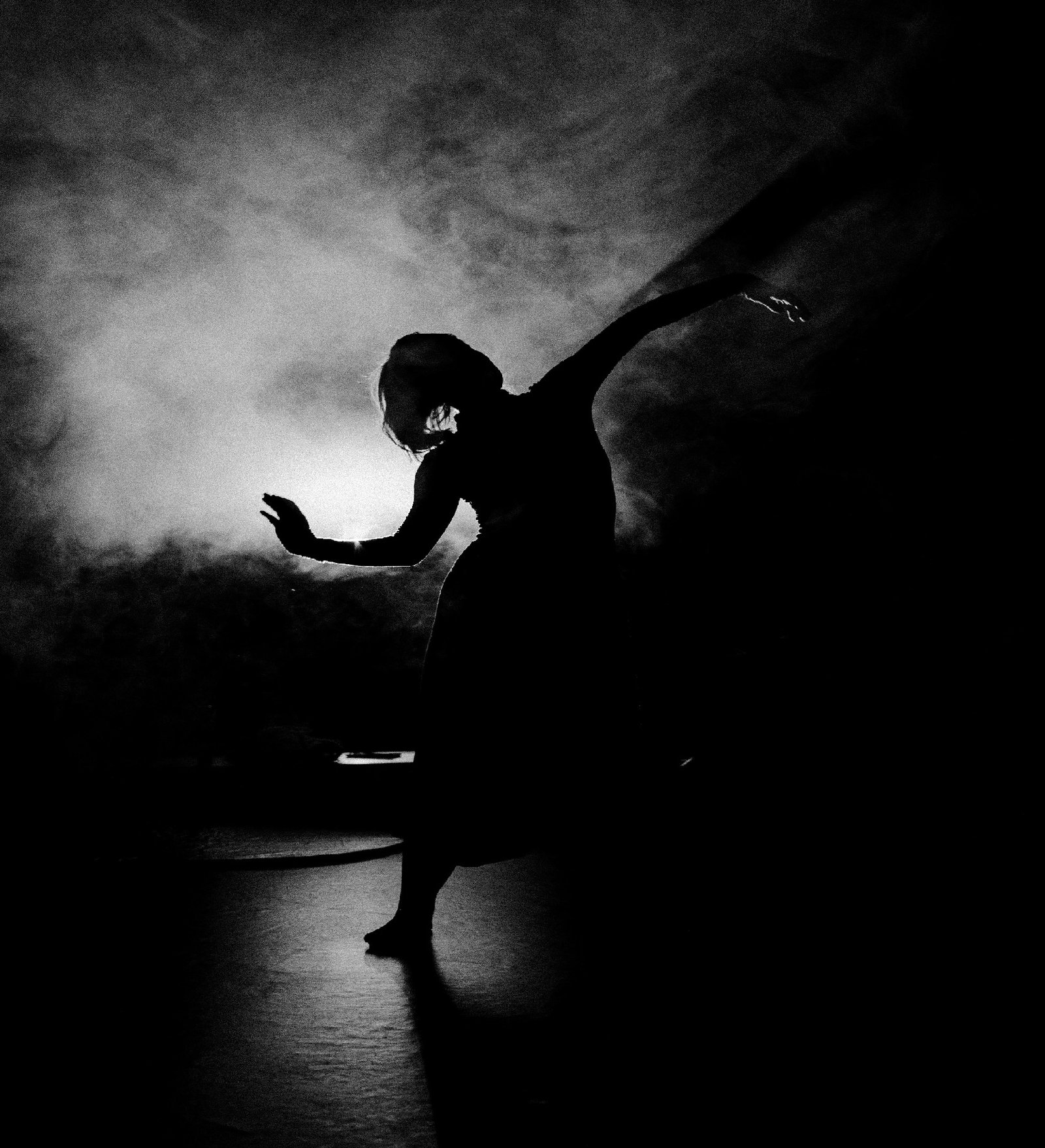
When it comes to movies, we often focus on the actors, plot, and special effects. However, the architecture showcased in films can be just as integral to the storytelling and atmosphere of a movie. From stunning modern skyscrapers to historic castles, the architecture in movies plays a crucial role in conveying the setting, mood, and even character development. One of the most iconic examples of architectural cinematography is in the movie "Inception." Directed by Christopher Nolan, "Inception" takes viewers on a mind-bending journey through dream worlds that are visually stunning and architecturally intricate. The use of innovative camera techniques and CGI effects brings to life a dream cityscape that defies the laws of physics. The dream within a dream concept is brilliantly portrayed through the manipulation of architectural elements, creating a visually striking and immersive experience for the audience. Another movie that beautifully encapsulates the relationship between cameras and architecture is "Blade Runner." Set in a dystopian future, the film showcases a dark and gritty cityscape that is heavily influenced by the architecture of the time. The use of neon lights, sleek skyscrapers, and futuristic buildings creates a hauntingly atmospheric backdrop that enhances the overall mood of the film. The camera work in "Blade Runner" expertly captures the sprawling cityscape, offering viewers a glimpse into a world that is both fascinating and foreboding. On the other end of the spectrum, the movie "The Grand Budapest Hotel" takes architecture to a whimsical and enchanting level. Directed by Wes Anderson, the film features a carefully curated set design that mirrors Anderson's signature aesthetic of symmetry, pastel colors, and intricate details. The titular hotel itself becomes a character in the film, with its ornate facade and quirky interior design playing a significant role in the storytelling. The camera angles in "The Grand Budapest Hotel" highlight the whimsy and charm of the architecture, inviting viewers into a fantastical world that feels both surreal and nostalgic. In conclusion, the architecture in movies is more than just a backdrop – it is a vital component of the storytelling process. Through innovative camera work, set design, and visual effects, filmmakers are able to bring architectural wonders to life on the big screen, eliciting emotional responses and enhancing the overall cinematic experience. Whether it's a futuristic cityscape, a historical landmark, or a whimsical hotel, the architecture in movies serves as a visual feast for the eyes and a powerful tool for conveying the world in which the story unfolds. So next time you watch a movie, pay attention to the buildings and structures that grace the screen – you may just discover a whole new appreciation for the art of architectural cinematography.
Leave a Comment:
SEARCH
Recent News
- Zurich, Switzerland is a vibrant city known for its rich cultural scene and diverse music offerings. One unique aspect of Zurich's music scene is the presence of Sudanese music, which has found a home in the city's melting pot of cultures.
- Visiting Zurich, Switzerland, can be an enriching experience for music lovers from all corners of the world. While the city may not be the first place that comes to mind when thinking about South African music, Zurich's diverse music scene offers a glimpse into the vibrant sounds of this African nation.
- Zurich, Switzerland is a vibrant city known for its stunning architecture, picturesque landscapes, and rich culture. One aspect of Zurich's cultural scene that often goes under the radar is its regional music. The city and its surrounding areas are home to a diverse range of musical styles, reflecting the multiculturalism and artistic diversity of the region.
- Top 5 Zurich Regional Movies You Must Watch
- Zurich, Switzerland, is a vibrant city known for its stunning architecture, picturesque landscapes, and thriving cultural scene. In recent years, the city has also become a hub for film production, attracting filmmakers from around the world. Interestingly, a connection has emerged between Zurich and Paraguay through the medium of film.
- Zurich, Switzerland: Discovering the Vibrant Norwegian Music Scene
- Zurich - A Hub for Hungarian Films
- Zurich, Switzerland: A Hub for Estonian Music
READ MORE
10 months ago Category :

Zurich, Switzerland is a vibrant city known for its rich cultural scene and diverse music offerings. One unique aspect of Zurich's music scene is the presence of Sudanese music, which has found a home in the city's melting pot of cultures.
Read More →10 months ago Category :

Visiting Zurich, Switzerland, can be an enriching experience for music lovers from all corners of the world. While the city may not be the first place that comes to mind when thinking about South African music, Zurich's diverse music scene offers a glimpse into the vibrant sounds of this African nation.
Read More →10 months ago Category :

Zurich, Switzerland is a vibrant city known for its stunning architecture, picturesque landscapes, and rich culture. One aspect of Zurich's cultural scene that often goes under the radar is its regional music. The city and its surrounding areas are home to a diverse range of musical styles, reflecting the multiculturalism and artistic diversity of the region.
Read More →10 months ago Category :
