**Shining a Spotlight on Lighting in Japanese Movies: A Review**
Category : | Sub Category : Posted on 2024-10-05 22:25:23
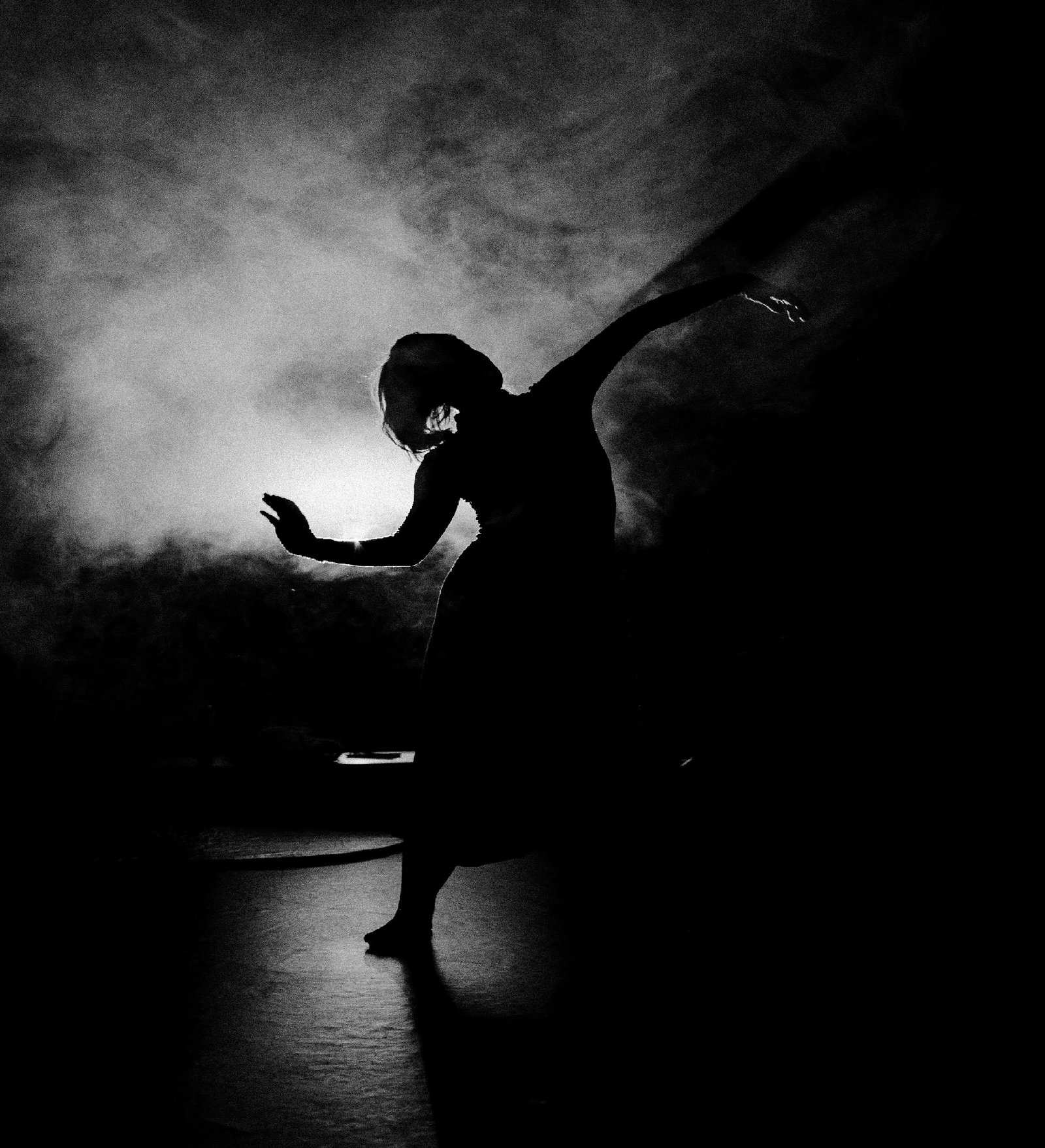
lighting is a crucial element in filmmaking that often goes unnoticed by audiences, yet it plays a significant role in setting the mood and enhancing the visual storytelling in movies. In Japanese cinema, the use of lighting is particularly noteworthy, as filmmakers masterfully employ different lighting techniques to create atmosphere, convey emotions, and immerse viewers in the on-screen world. One of the most renowned aspects of lighting in Japanese movies is the use of natural lighting to capture the beauty of the country's landscapes and architecture. Directors such as Akira Kurosawa and Yasujirō Ozu are known for their poetic use of natural light, which adds a sense of realism and authenticity to their films. Whether it's the gentle glow of sunlight filtering through cherry blossom trees or the soft, warm hues of a traditional Japanese home, natural lighting in Japanese cinema is a visual treat for audiences. In addition to natural lighting, Japanese filmmakers also excel in using artificial lighting to create striking visual effects and enhance the mood of a scene. From the neon-lit streets of Tokyo in cyberpunk films like "Akira" to the eerie, shadowy interiors of horror movies such as "Ringu," lighting plays a crucial role in building tension and suspense. The contrast between light and shadow is often used to symbolize the dualities of good and evil, beauty and darkness, in Japanese cinema. Furthermore, lighting in Japanese movies is also deeply intertwined with the country's rich cultural traditions and aesthetics. The use of soft, indirect lighting in traditional Japanese theater and art has influenced filmmakers to create visually stunning compositions that evoke a sense of serenity and elegance. Whether it's the intricate play of light and shadow in a classic samurai film or the dreamlike quality of a contemporary anime, lighting in Japanese cinema reflects a deep appreciation for beauty and harmony. In conclusion, the art of lighting in Japanese movies is truly a sight to behold. From the natural splendor of the landscape to the evocative use of artificial lighting, Japanese filmmakers demonstrate a mastery of visual storytelling that captivates audiences around the world. The next time you watch a Japanese film, pay close attention to the lighting – you may be surprised by how much it enhances your viewing experience and deepens your appreciation for the art of cinema. also for more info https://www.filmancc.com For more information: https://www.prmovies.org
Leave a Comment:
SEARCH
Recent News
- Zurich, Switzerland is a vibrant city known for its rich cultural scene and diverse music offerings. One unique aspect of Zurich's music scene is the presence of Sudanese music, which has found a home in the city's melting pot of cultures.
- Visiting Zurich, Switzerland, can be an enriching experience for music lovers from all corners of the world. While the city may not be the first place that comes to mind when thinking about South African music, Zurich's diverse music scene offers a glimpse into the vibrant sounds of this African nation.
- Zurich, Switzerland is a vibrant city known for its stunning architecture, picturesque landscapes, and rich culture. One aspect of Zurich's cultural scene that often goes under the radar is its regional music. The city and its surrounding areas are home to a diverse range of musical styles, reflecting the multiculturalism and artistic diversity of the region.
- Top 5 Zurich Regional Movies You Must Watch
- Zurich, Switzerland, is a vibrant city known for its stunning architecture, picturesque landscapes, and thriving cultural scene. In recent years, the city has also become a hub for film production, attracting filmmakers from around the world. Interestingly, a connection has emerged between Zurich and Paraguay through the medium of film.
- Zurich, Switzerland: Discovering the Vibrant Norwegian Music Scene
- Zurich - A Hub for Hungarian Films
- Zurich, Switzerland: A Hub for Estonian Music
READ MORE
9 months ago Category :

Zurich, Switzerland is a vibrant city known for its rich cultural scene and diverse music offerings. One unique aspect of Zurich's music scene is the presence of Sudanese music, which has found a home in the city's melting pot of cultures.
Read More →9 months ago Category :

Visiting Zurich, Switzerland, can be an enriching experience for music lovers from all corners of the world. While the city may not be the first place that comes to mind when thinking about South African music, Zurich's diverse music scene offers a glimpse into the vibrant sounds of this African nation.
Read More →9 months ago Category :

Zurich, Switzerland is a vibrant city known for its stunning architecture, picturesque landscapes, and rich culture. One aspect of Zurich's cultural scene that often goes under the radar is its regional music. The city and its surrounding areas are home to a diverse range of musical styles, reflecting the multiculturalism and artistic diversity of the region.
Read More →9 months ago Category :
